Ashley Reid
October 15, 2025
The Nervous System Decor Revolution
How women are designing their homes around nervous system regulation
It feels like this is the first time in history where women are *trying* to prioritize a life where the main goal is not to spread ourselves as thin as possible. Where we are no longer commending those who climb the corporate ladder by working 80 hour work weeks and ignoring their needs. Where we can get massages because we feel like it, and our friends support us by saying “good for you, you deserve it,” instead of feeding into a toxic womanhood culture.
This change isn't just coming from within, we are seeing the importance of our homes as being the safe space for our nervous systems. We're not looking for the next flashy wall color or chic couch, we are diving into the depths of how to support our mental, physical and emotional health by creating a nervous system conscious home.

Why is Your Home A Part of Your Nervous System
Stress is the silent killer. It not only affects our mental health in huge ways, from depression and anxiety to cognitive function. Our sleep becomes worse, we start to wear it on our faces, our digestive systems react, it affects our relationships, it weakens our immune systems, and the list goes on.
Ok, deep breath. In all transparency, this is a doozy for me. I know how important it is to create a calm home. A safe haven. In fact, I have craved it my whole life. And as the years pass by, and I have swam in the river of wellness, alternative medicine, and awareness for closer to two decades than one, I keep tripping on that slippery boulder of stress.
While I truly believe that the biggest part of stress starts from within, in this modern world filled with tech around every corner looking to give us a dopamine-cortisol whiplash, looking at the world we surround ourselves in is a necessity.
Our homes should be our starting point. Our homes are our safe places. Our sanctuary. Where we are getting restorative sleeping, having our cup filled, and feel our nervous systems being regulated instead of fraying at the edges.
Why is Your Home A Part of Your Nervous System
Stress is the silent killer. It not only affects our mental health in huge ways, from depression and anxiety to cognitive function. Our sleep becomes worse, we start to wear it on our faces, our digestive systems react, it affects our relationships, it weakens our immune systems, and the list goes on.
Ok, deep breath. In all transparency, this is a doozy for me. I know how important it is to create a calm home. A safe haven. In fact, I have craved it my whole life. And as the years pass by, and I have swam in the river of wellness, alternative medicine, and awareness for closer to two decades than one, I keep tripping on that slippery boulder of stress.
While I truly believe that the biggest part of stress starts from within, in this modern world filled with tech around every corner looking to give us a dopamine-cortisol whiplash, looking at the world we surround ourselves in is a necessity.
Our homes should be our starting point. Our homes are our safe places. Our sanctuary. Where we are getting restorative sleeping, having our cup filled, and feel our nervous systems being regulated instead of fraying at the edges.

The Power of Light
It’s refreshing to see trends on the internet that aren’t cringey or toxic. I have been loving all the women ditching “the big light.” It’s funny the terminology but it holds merit. They are generally harsh, bright lights, signaling to our bodies that we are not in a relaxing environment, contributing to our stress and anxiety. Ambient lighting can help with that.
Unfortunately, a majority of the lighting in our modern lives is LED or blue light. LED lights have a notorious flicker, that has both a psychological and neurological effect on our bodies. From eye strain, fatigue, headaches and difficulty concentrating. Blue light is even trickier—it pours out of our phones, laptops, tablets, and TVs.
To offset these factors there are a few easy changes you can implement for a noticeable difference:
- Getting natural light first thing in the morning, and utilizing natural sunlight whenever possible is great for our nervous system and circadian rhythms.
- There are some great light bulb options from Conscious Spaces that are 100% blue light free bulbs. Bright enough to be your regular bulbs, as well as low EMFs.
- Using 100% beeswax, unscented candles in the evenings is one of my favorite ways to support my circadian rhythm, while also adding warmth and comfort into my home.
- Keeping your phone out of your room in the evenings, and limiting screen time (Ahem, doomscrolling.) This is going to help you get the most out of your sleep and support your circadian rhythm.

Touch Matters
Many women are making more conscious choices when it comes to textiles. Once overlooked, this sense is now recognized as an essential part of a home’s comfort. How things feel—not just emotionally but physically—matters.
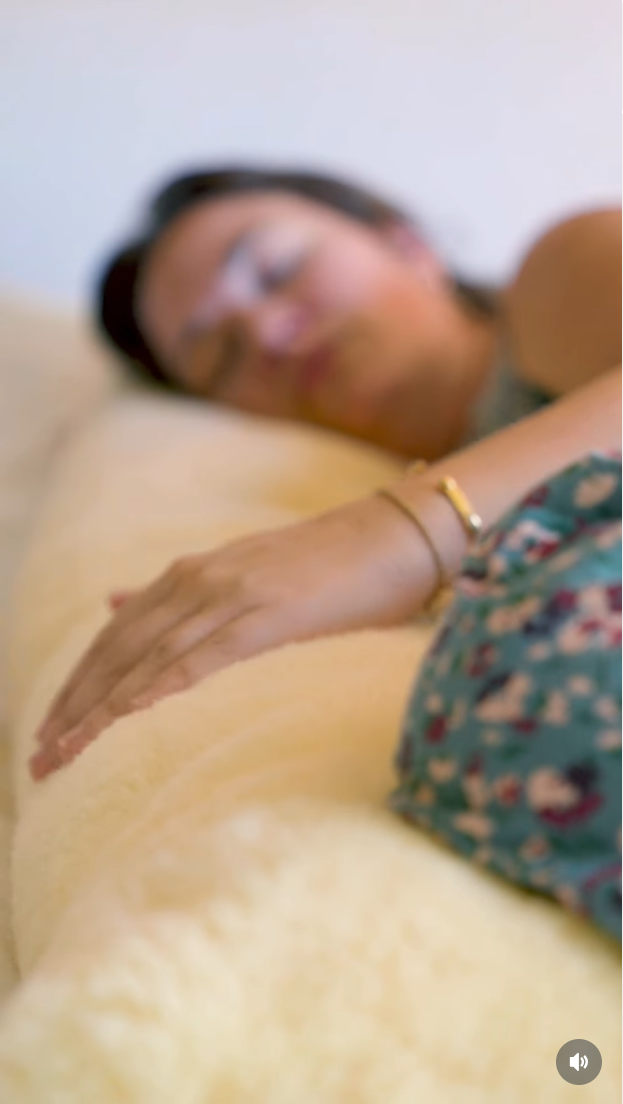
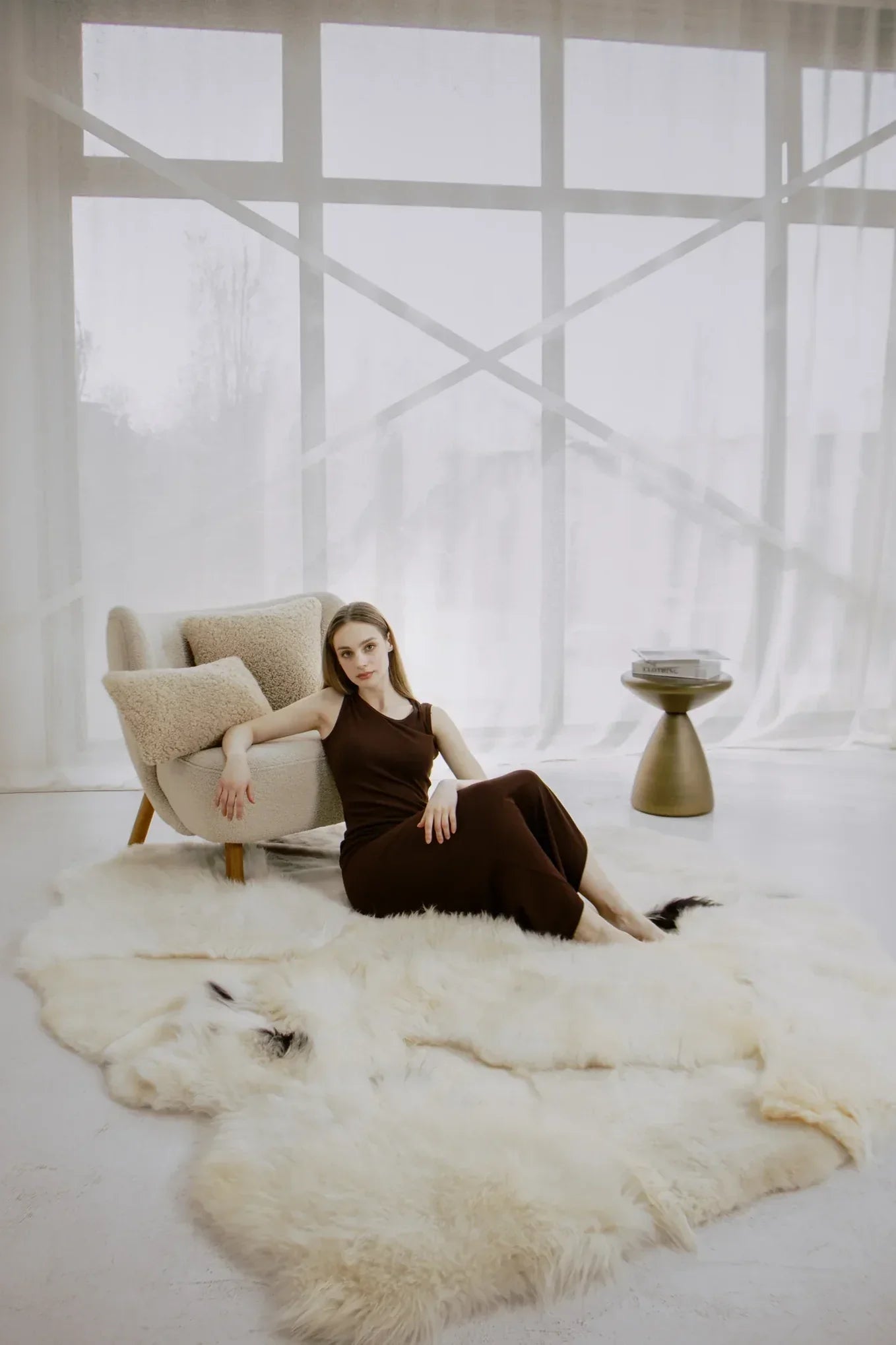
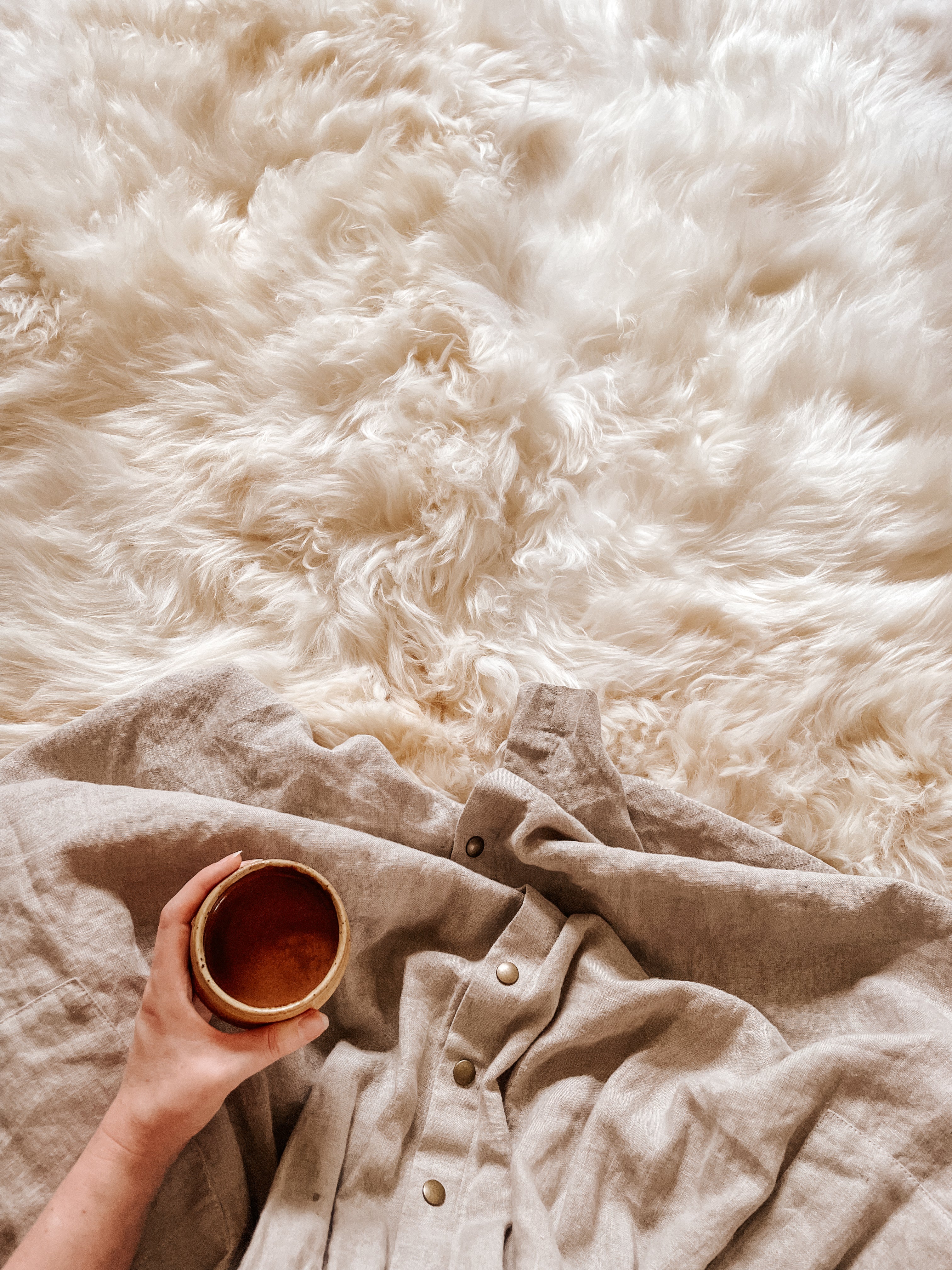
Weighted blankets can help your parasympathetic nervous system and help anxiety. Sheepskin rugs or pillows are plush and offer rewarding tactile stimulation which increases vagus nerve activity, slowing down the racing thoughts and elevated blood pressure. Self-soothing by touch benefits adults as well as children, reducing cortisol and boosting positive emotions. I used to think tactile comfort was mostly a tool for children, until I noticed how my own stress melted away as I buried my fingers into a sheepskin.
Switching to sheets and bedding that is organic, natural fabrics are making a big difference in the quality of sleep and ease of worry associated with their synthetic counterparts. Sleeping on linen or bamboo sheets not only has a higher frequency which aids our body in healing and grounding, but also regulates your body temperature. Because no one likes going to bed and being sweaty. I really love my bestie’s entire bedding set from Dazed but Amazed, a small family owned linen based out of Australia. But have also heard great about Piglet in Bed, whose bedding is classic colors and shapes.
Touch Matters
Many women are making more conscious choices when it comes to textiles. Once overlooked, this sense is now recognized as an essential part of a home’s comfort. How things feel—not just emotionally but physically—matters.
Weighted blankets can help your parasympathetic nervous system and help anxiety. Sheepskin rugs or pillows are plush and offer rewarding tactile stimulation which increases vagus nerve activity, slowing down the racing thoughts and elevated blood pressure. Self-soothing by touch benefits adults as well as children, reducing cortisol and boosting positive emotions. I used to think tactile comfort was mostly a tool for children, until I noticed how my own stress melted away as I buried my fingers into a sheepskin.
Switching to sheets and bedding that is organic, natural fabrics are making a big difference in the quality of sleep and ease of worry associated with their synthetic counterparts. Sleeping on linen or bamboo sheets not only has a higher frequency which aids our body in healing and grounding, but also regulates your body temperature. Because no one likes going to bed and being sweaty. I really love my bestie’s entire bedding set from Dazed but Amazed, a small family owned linen based out of Australia. But have also heard great about Piglet in Bed, whose bedding is classic colors and shapes.
Mindful Minimalism without Sterility
I don’t think Marie Kondo was wrong to ask, “Does this spark joy?” Minimalism really took off as a design choice about a decade ago. I’ll admit, I purged a lot of stuff, and at first it felt great. But over time, I started to feel guilt, as if my home had become more about checking boxes than creating a warm, loving space.
It’s no wonder the movement resonated. Many of us grew up in cluttered homes. I can feel my nervous system react just thinking about it, ready to rage-clean. Still, there’s truth to the benefits: visual clutter can raise cortisol, and facing the same mess daily can create chronic stress. Having fewer things means fewer messes, fewer decisions, and less mental load for things that don’t truly matter.
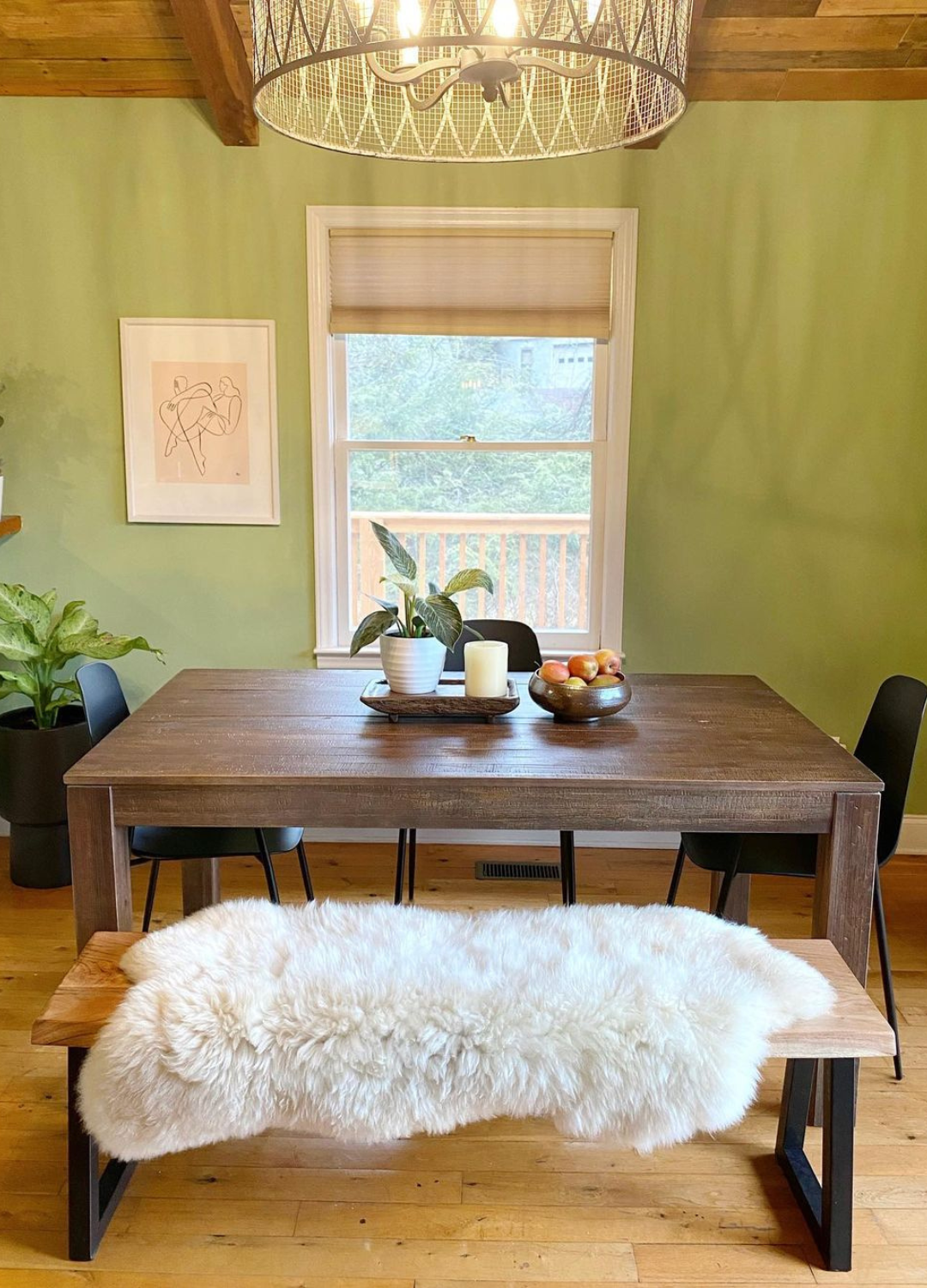
Thankfully, there’s a middle ground—between the hoarder chaos of the past and sterile millennial grey. Thoughtful, curated, sentimental items are what make a house a home. Warm colors, natural fibers, and timeless pieces soothe the nervous system while letting personality shine through.
I’ll always display my children’s artwork and keep my questionably tacky gumball machine from my grandparents’ house. These aren’t just trendy finds, they’re memories. Women are the heart of the home. We imbue our spaces with warmth, light, and magic. It’s time to focus on how our homes can best support our nervous systems and our needs.