Ashley Reid
October 09, 2025
Why Women Are Ditching the Perfect Home for the Comfort Home
Growing up in a media-heavy world, it doesn’t take much scrolling to feel like you’re falling short. What used to be pressure to be skinnier, hustle harder, and do more has shifted into something different.
The Myth of the Perfect Home
Growing up in a media-heavy world, it doesn’t take much scrolling to feel like you’re falling short. What used to be pressure to be skinnier, hustle harder, and do more has shifted into something different. As a homeschooling mother on a wellness journey, I’ve watched my algorithm shift into a feed I’m sure many readers will recognize: a glaring, perfectly curated life that often leaves you feeling “less than.” A less-than mother, a less-than educator, a less-than wellness mama. And it’s not just this corner of the internet—it’s everywhere.
But this isn’t new. Even before Instagram grids, women were told how their homes should look. Magazines like Good Housekeeping, Ladies’ Home Journal, and Home & Garden have been around since the late 1800s, pushing home management, consumerism, and trends. We are constantly being steamrolled into the “next must-have” and made to feel behind.
Wanting to create a warm, loving home is not the problem—it’s instinctual and wonderful. The problem comes when we start measuring ourselves against others, confusing comparison for inspiration. When our reasons for creating a home are pushed aside to make room for envy, the joy gets lost. In ditching the pursuit of the perfect home, women are discovering that the real luxury lies in comfort.
Why Comfort Matters (and Can Still Be Beautiful)
Somewhere along the way, we decided that aesthetic perfection was not just a goal but a requirement for happiness. The truth? It’s the opposite. Perfectionism keeps us on edge, performing instead of relaxing.
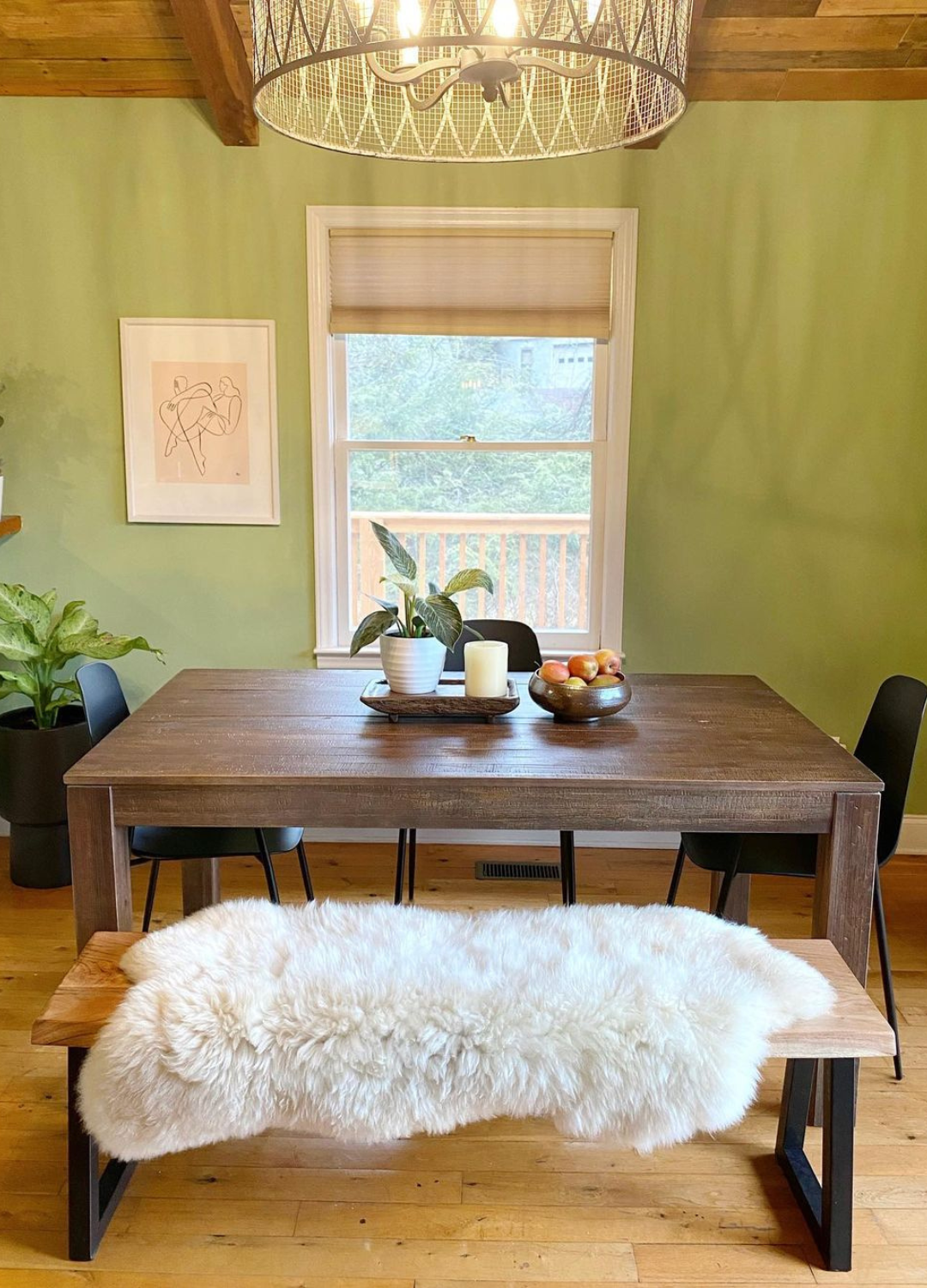
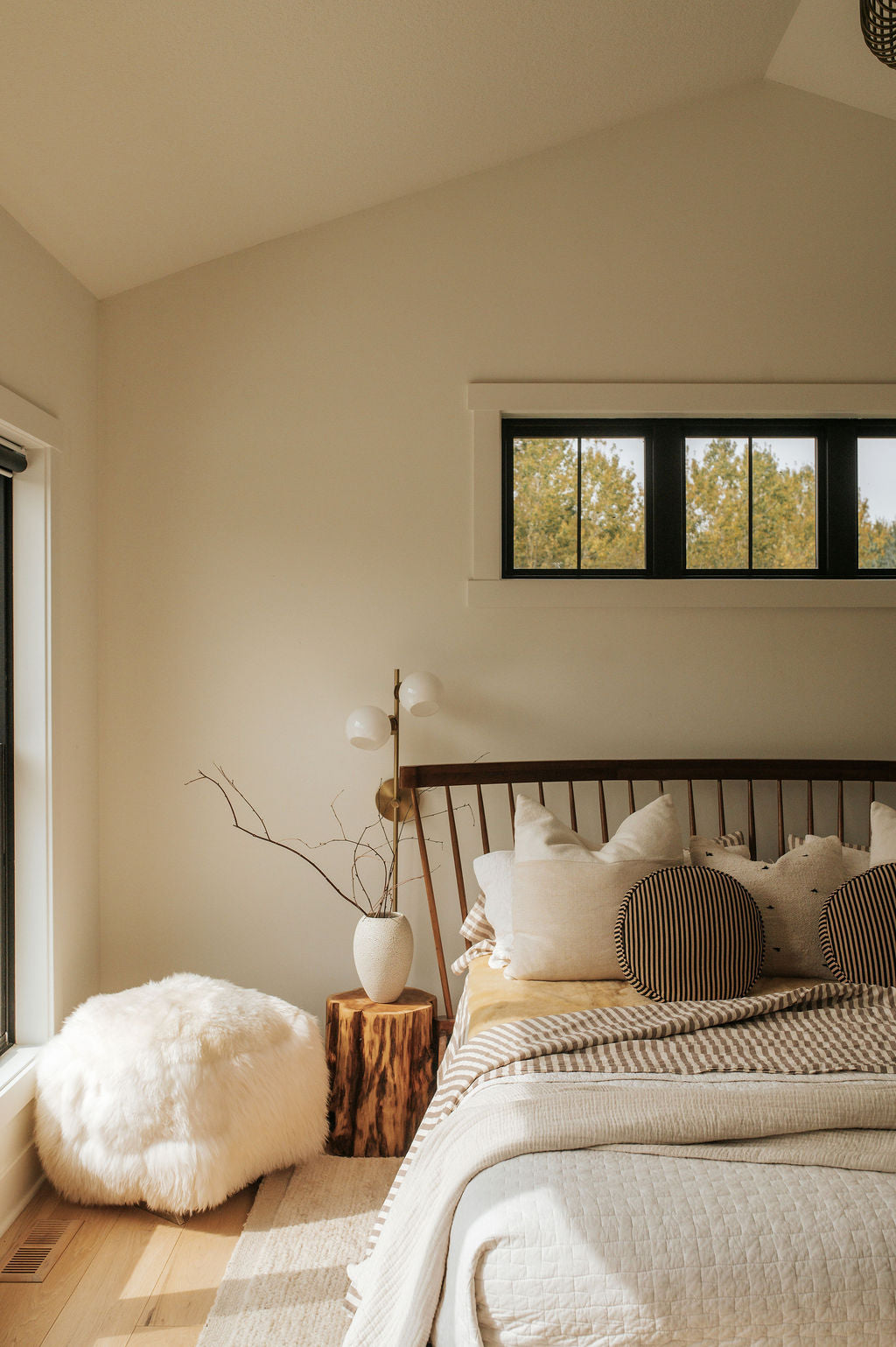
A cozy, comfortable home, on the other hand, is full of benefits. A soft, welcoming environment signals to your nervous system: you are safe here. A deep plush chair, a sheepskin throw, or breathable natural fibers aren’t just beautiful—they’re grounding. Ergonomic or deep-seated furniture that supports the body doesn’t just look good; it relieves tension and helps you exhale.
A comfortable home doesn’t just soothe the body—it strengthens connection. It’s where conversations deepen, creativity flows, and family life thrives. It’s the kind of place you walk into, take a deep breath, and think, ah, I’m home.

Why Comfort Matters
(and Can Still Be Beautiful)
Somewhere along the way, we decided that aesthetic perfection was not just a goal but a requirement for happiness. The truth? It’s the opposite. Perfectionism keeps us on edge, performing instead of relaxing.
A cozy, comfortable home, on the other hand, is full of benefits. A soft, welcoming environment signals to your nervous system: you are safe here. A deep plush chair, a sheepskin throw, or breathable natural fibers aren’t just beautiful—they’re grounding. Ergonomic or deep-seated furniture that supports the body doesn’t just look good; it relieves tension and helps you exhale.
A comfortable home doesn’t just soothe the body—it strengthens connection. It’s where conversations deepen, creativity flows, and family life thrives. It’s the kind of place you walk into, take a deep breath, and think, ah, I’m home.
Mess as a Sign of Life
Many of us feel pressure to keep our homes spotless and sterile, as if any sign of life is a failure. But an unlived-in showcase is not the goal—we’re not selling ourselves or our lifestyles. A lived-in home tells the story of real life: spilled tea, messy baking, popcorn on the couch after movie night. These aren’t failures; they’re proof of joy.
The love and relationships we nurture deserve a place in our homes—on our walls, our shelves, even our refrigerators. (Though I could sometimes do without the surprise “Rafiki-inspired” wall art from my kids, I still believe they deserve a say too.)
A comfort-driven home doesn’t demand rage-cleaning before guests arrive. It teaches our children that their belongings, and their presence don’t need to be hidden for appearances. That lesson alone is worth more than a showroom-perfect space.
Home as Self-Care
When your home feels nurturing, it becomes easier to slow down, unplug, and simply be. Wellness, lifestyle, and design can blend together to create spaces that support *not stress* you.
Your environment shapes your energy. By letting go of the need for perfection, we give ourselves permission to rest, to feel joy, and to live without comparison. Instead of chasing staged aesthetics or spotless minimalism, we can release guilt and embrace comfort.
When we design our homes as models of wellness rather than performances of perfection, we create spaces that care for us back. It’s time to cut the tie between appearing perfect and feeling well.
One of my favorite women in my corner of the web on her Instagram reminded me of all this and it stuck. “Home is something that is made by us with our time, care, and thoughtfulness. All homes can be houses but not all houses can be called home if there is no purpose, care, or affection for our family."
The comfort home doesn’t mean “giving up” on beauty. It means choosing the kind of beauty that holds you, restores you, and makes space for life to unfold. Back to basics, back to comfort, back to a home that loves you back.